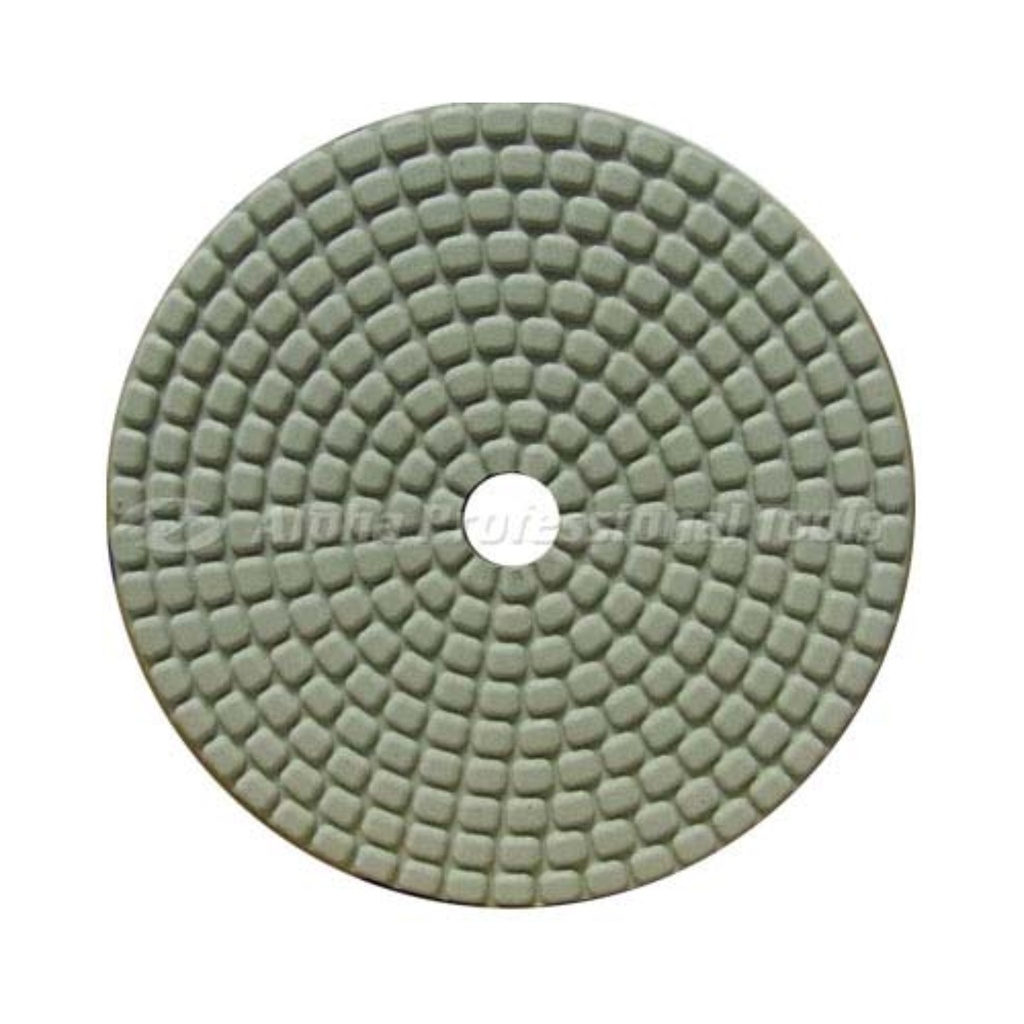
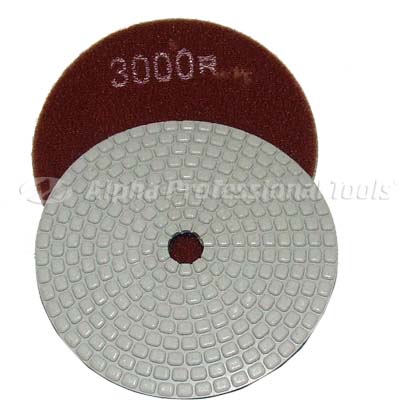
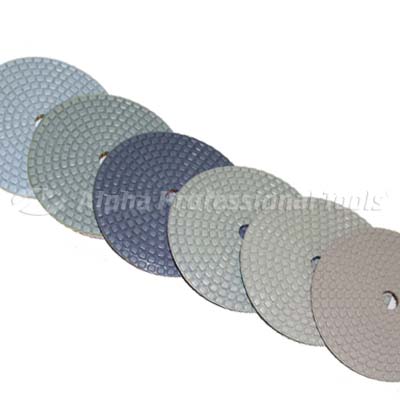
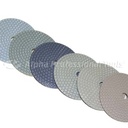
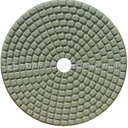
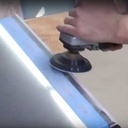
What materials can I use Ceramica Dry on?
Ceramica Dry is designed for all natural stone and cement-based composites such as concrete and terrazzo. It is not recommended for engineered/quartz surfaces when run dry.
Can I use Ceramica Dry on an angle grinder?
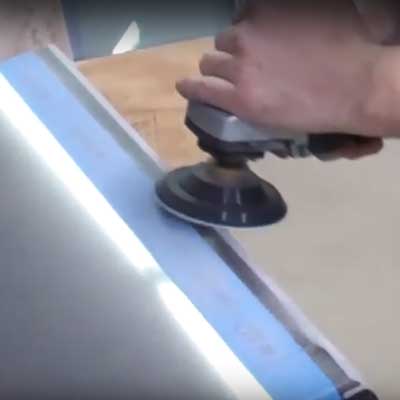
No. Ceramica Dry is not designed for high-RPM machines above 4,500 RPM. Use it on low-RPM sanders or polishers. Variable-speed grinders require operator verification of RPM.
What is the lifespan of a Ceramica Dry disc?
It depends on the material and proper usage (grit sequence, RPM, pressure). The thicker diamond layer extends life compared to typical dry pads.
What sizes are available?
Currently the 4" diameter is available. Smaller diameters can be adapted by using smaller backer pads.
How many passes per grit?
On average 2 to 3 passes per grit, using two across and one vertical. Never rush through a grit.
What is the optimal RPM?
Designed to run at 4,500 RPM or slower; works best around 4,000 RPM.
Can I use Ceramica Dry wet?
You can use water for engineered stone, but water causes premature wear on some grits, so wet use is not recommended.
Why does the #60 grit wear faster?
The #60 wears faster than the others because it is the shaping grit running dry, without the water cooling that wet resin pads enjoy.
I am getting burn marks — what should I do?
Reduce pressure and increase RPM toward 4,000 for better air cooling.
Can I use Ceramica Dry on a floor-polishing machine?
No. The discs are designed for edge polishing only.
Can I use Ceramica Dry on a single-head edge-polishing machine?
No. Ceramica Dry is not designed for automated edge-polishing machines.
Can I use Ceramica Dry for top polishing of seamless countertops?
Not recommended — the hook-and-loop system may produce a wavy surface on flat tops.
Flexible or rigid backer pad?
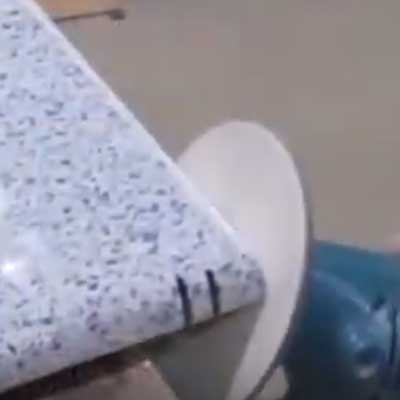
Flexible for curves and bullnose work, rigid for flat or straight edges.
Can I skip grits to save time?
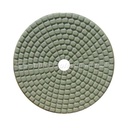
No. Skipping grits does not work and always yields unsatisfactory results. Run the full sequence #60 → #3000.